CACAO
Medicine of the Heart
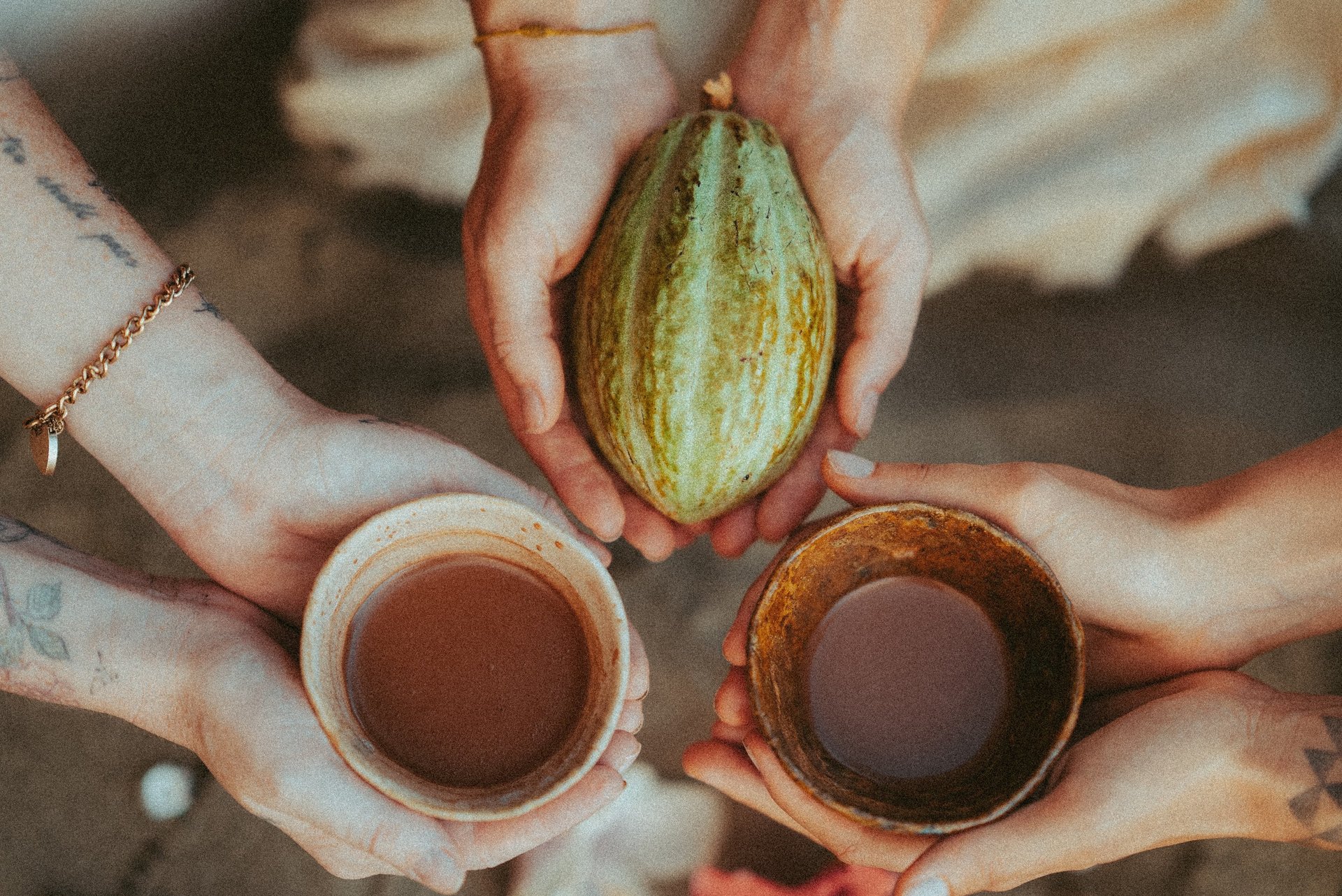
Cacao comes from Theobroma cacao, a tropical tree native to the Americas that grows in warm, humid regions around the world. From the Amazon rainforest to Costa Rica, Guatemala, West Africa, and Indonesia, cacao connects us to tropical landscapes and the people who cultivate it.
The cacao fruit contains seeds, commonly known as cacao beans, which are transformed into chocolate through a process of fermentation, drying, roasting, and grinding. But cacao is much more than the beginning of chocolate. It is a plant with a rich history, remarkable properties, and a long-standing place in human culture.
Today, cacao is often referred to as the medicine of the heart. In contemporary ceremonial practices, it is embraced as a way to slow down, reconnect with ourselves, and cultivate presence. Its naturally occurring compounds can offer a gentle sense of stimulation, while the ritual of preparing and sharing cacao invites us to explore connection, vitality, love, and compassion.
A Sacred Plant
For thousands of years, cacao has held cultural, social, and ceremonial significance among Indigenous peoples of Mesoamerica, including the Maya and Aztec. It was used in a variety of contexts, from daily life and social exchange to religious ceremonies and offerings.
Often associated with the expression “food of the gods,” cacao carries a history that extends far beyond its modern role in chocolate. Its cultivation, preparation, and meaning have evolved across cultures and generations.
Today, cacao continues to inspire people around the world to create rituals of connection, reflection, and presence — offering a moment to pause, listen, and reconnect with ourselves, one another, and the natural world.
The Science of Cacao:
Cacao contains a variety of naturally occurring nutrients and compounds that contribute to its distinctive properties.
Essential minerals and nutrients
Magnesium - supports normal muscle and nerve function.
Iron - contributes to oxygen transport and energy metabolism.
Zinc - supports immune function and cellular processes.
Potassium and calcium - contribute to normal muscle function and bone health.
Cacao butter - provides fats that supply energy and contribute to cacao's rich, nourishing texture.
Naturally occurring compounds
Flavanols - plant compounds with antioxidant activity that have been studied for their potential role in supporting blood vessel function and circulation.
Theobromine - a naturally occurring stimulant that contributes to cacao's energizing qualities.
Phenylethylamine (PEA) - a compound found in cacao that has been associated with mood-related processes, although its effects when consumed in cacao are not fully established.
Anandamide - a compound involved in the body's endocannabinoid system that has also been detected in cacao. Its direct contribution to mood after consuming cacao remains uncertain.
The nutritional composition of cacao varies depending on its origin and processing. Less processed cacao products may retain more of certain naturally occurring compounds than heavily processed chocolate.
Beyond its nutritional properties, cacao invites us to explore our relationship with food, nature, and the rituals that bring meaning into our everyday lives.
A cacao ceremony is a gathering in which people come together to share cacao in a mindful and intentional way. It can be a space for prayer, music, singing, conversation, meditation, and dance, an opportunity to slow down, connect, and become more present.
Cacao rituals take many different forms, shaped by the cultures, traditions, and intentions of the people who practice them. In some Indigenous traditions, cacao is connected to prayer, offerings, and the elements of nature.
For example, within certain Maya ceremonial traditions in Guatemala, sacred fire plays an important role. Offerings may include seeds, herbs, flowers, incense, and other elements, each carrying its own cultural and spiritual significance. These practices belong to living traditions that have been passed down through generations.
Today, people around the world also create contemporary cacao rituals, incorporating cacao into personal practices and communal gatherings. These experiences can offer a moment to pause, reflect, and explore different ways of connecting with ourselves and others.
Why Work with Cacao in Ritual?
People incorporate cacao into their practices for many different reasons, including:
Setting intentions and reflecting on personal growth.
Supporting a sense of energy and focus.
Exploring emotions with greater awareness.
Inviting creativity and inspiration.
Deepening meditation, movement, dance, and breathwork practices.
Creating space for meaningful conversation and interpersonal connection.
Nurturing a sense of community and belonging.
Elements of a Cacao Ritual
There is no single way to experience a cacao ritual. Each gathering can take shape according to its purpose, the people present, and the traditions it draws from.
Common elements may include:
Preparing the cacao - thoughtfully preparing the drink with water or plant-based milk and, if desired, spices such as cinnamon or cayenne.
Setting an intention - taking a moment to reflect on what you would like to invite into your experience.
Drinking mindfully - slowing down and paying attention to the taste, warmth, and sensations of the cacao.
Sharing a practice - exploring movement, dance, music, journaling, meditation, or conversation in a group.
Closing and integration - allowing time to reflect on the experience and return gently to everyday life.
A cacao ritual does not need to follow a fixed structure. It can be quiet or expressive, personal or communal, guided or spontaneous. At its heart, it is an invitation to create space for presence, connection, and discovery.
What Is a Cacao Ceremony?
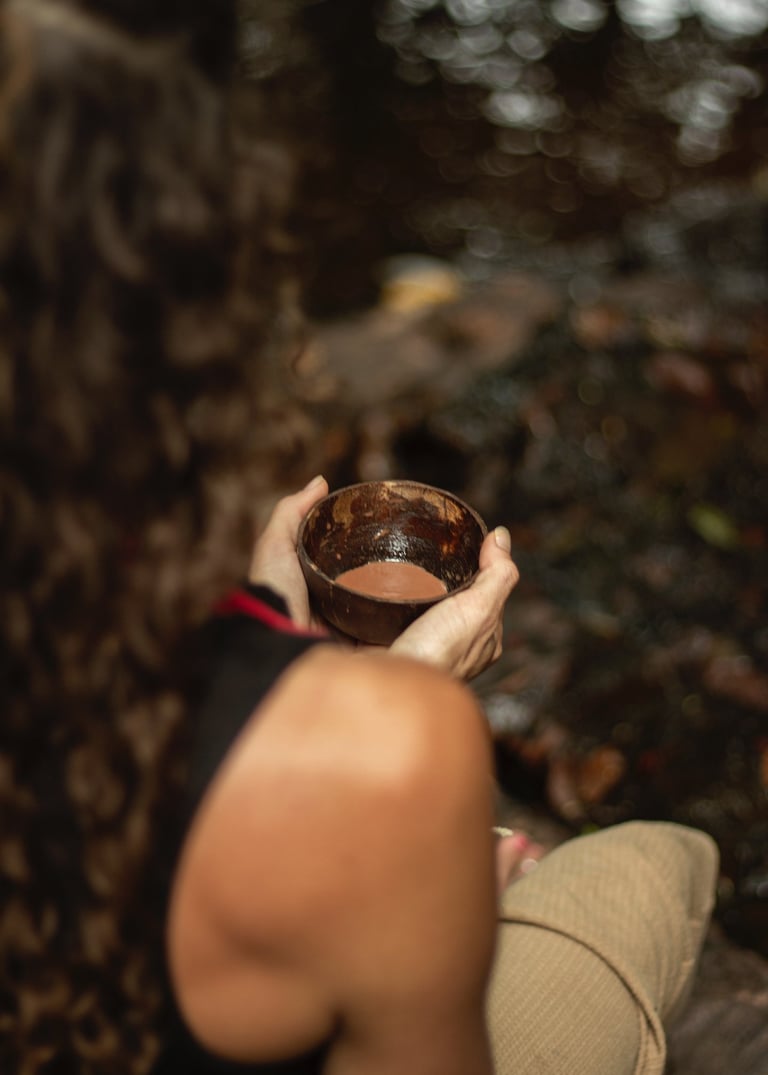
My cacao ceremony is an invitation to celebrate the body, its rhythms, and the cycles that shape our lives.
Just as the moon moves through its phases and nature shifts through the seasons, we too experience cycles of change within and around us. From the menstrual cycle to the natural fluctuations of our energy, emotions, and desires, life is in constant movement. This ceremony is a space to acknowledge these rhythms, reconnect with our bodies, and embrace the beauty of change.
Through cacao, movement, dance, and music, we create a space to explore our bodies with curiosity and freedom. A space to soften the mind, loosen the grip of judgment, and become more aware of how we feel, move, and respond.
My intention is to create a safe and welcoming circle where everyone can express themselves in their own way, reconnect with their inner rhythms, and experience the joy of moving together.
A space for joy, freedom, libido, pleasure, laughter, and lightness.
You are welcome to arrive with a personal intention, a prayer, a wish, or simply an open mind. There is nothing you need to achieve or become. You are invited to be present, to listen, to move, and to discover what unfolds.
A celebration of being alive, in all our changing rhythms.
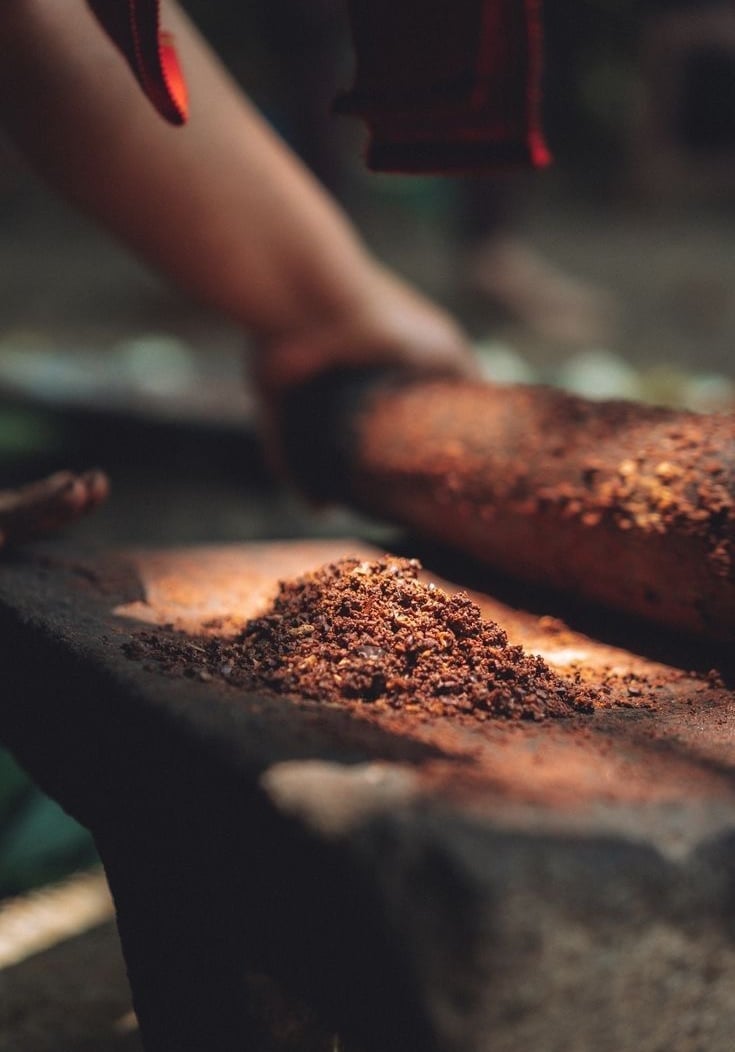
Cacao Ceremoon
Cacao opens the heart. Dance opens the body.
Cacao invites presence; dance invites expression.
Together, cacao and movement create an invitation to explore our inner world through sensation, rhythm, and embodied awareness. Cacao offers a moment to slow down and listen, while dance gives us the freedom to move, express, and discover what lives within us.
Through movement, we can explore our emotions, reconnect with our energy, and become more aware of ourselves. The combination of cacao, music, and dance creates space to soften, let go of expectations, and move beyond the mind into a more intuitive relationship with the body.
A space where emotions can be met with curiosity, creativity can unfold, and movement can become a source of joy, pleasure, and connection.
To feel more. To move more freely. To come back to the body - and to life.
Cacao & Dance


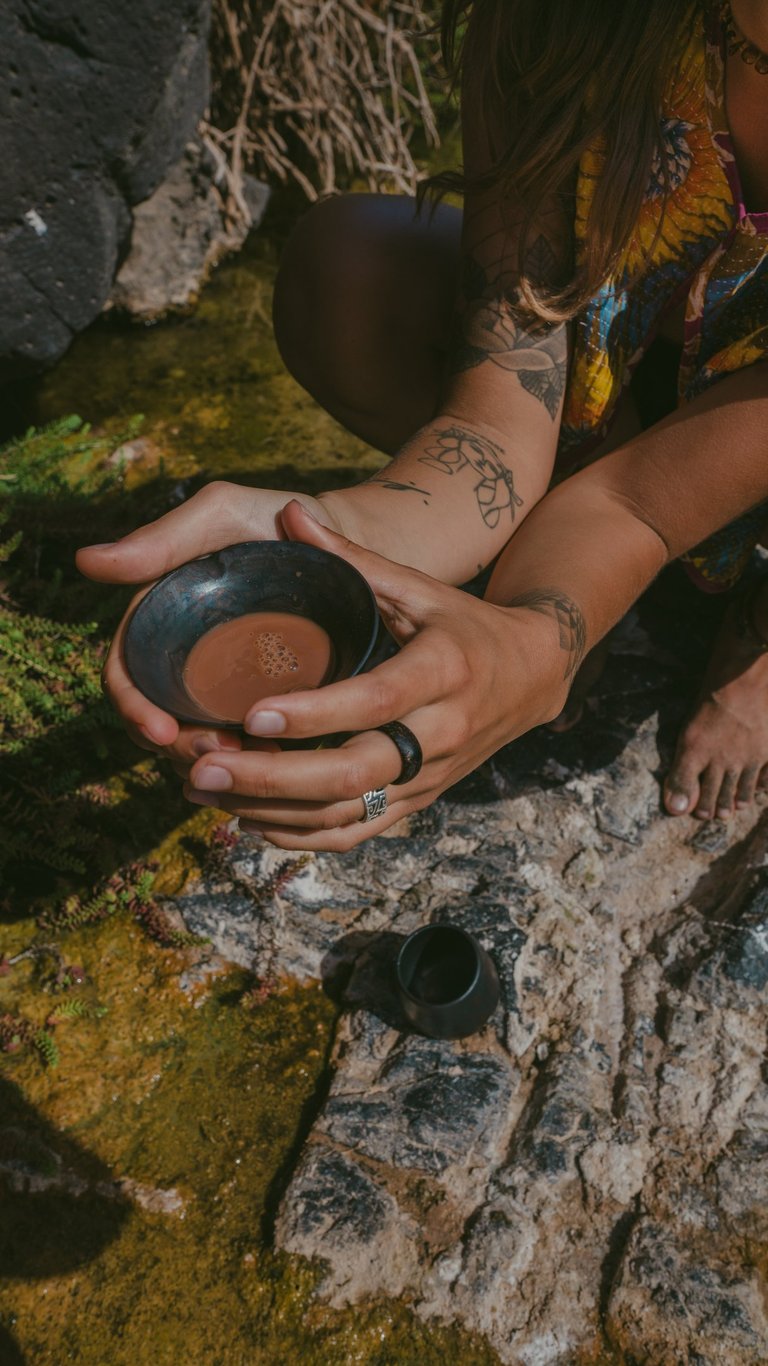

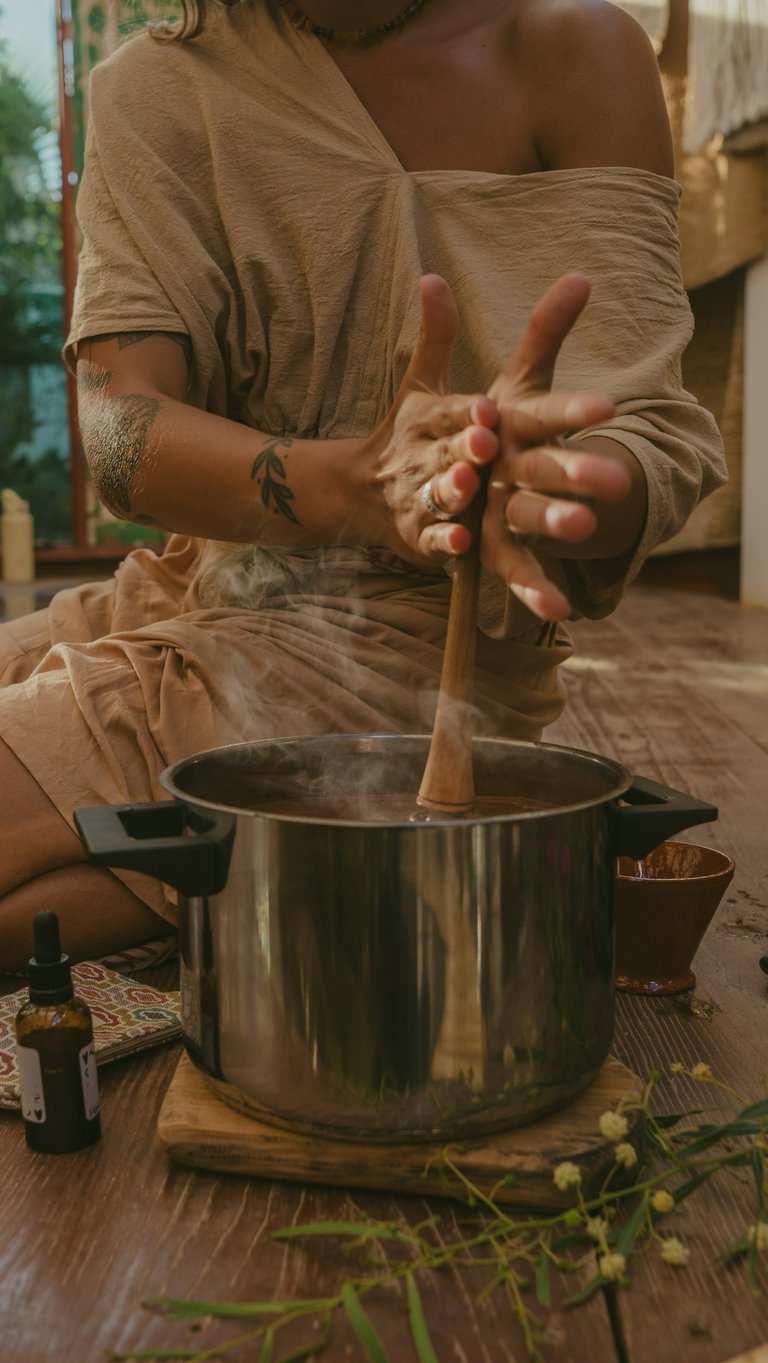
a forest body
I feel alive, I am life
love pulses inside me
cacao strengthens my heart and
wakes up my body
I feel you, you move me
